

The formal place setting is a symphony of elegance and purpose, where every element has been thoughtfully positioned to guide the diner through a multi-course meal with grace and ease.
Understanding the Foundation
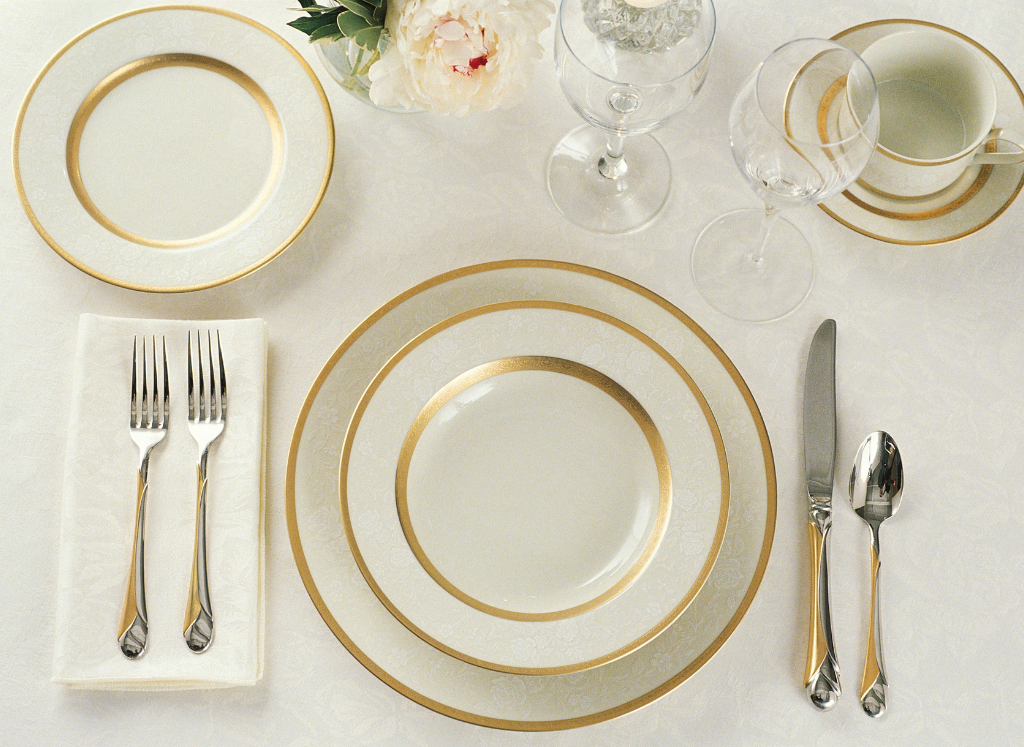
At its heart, the formal place setting follows a simple principle: utensils are placed in the order they will be used, working from the outside in toward the plate. This arrangement has evolved over centuries of refined dining, creating a visual language that communicates both respect for guests and the courses to come.
The Charger Plate
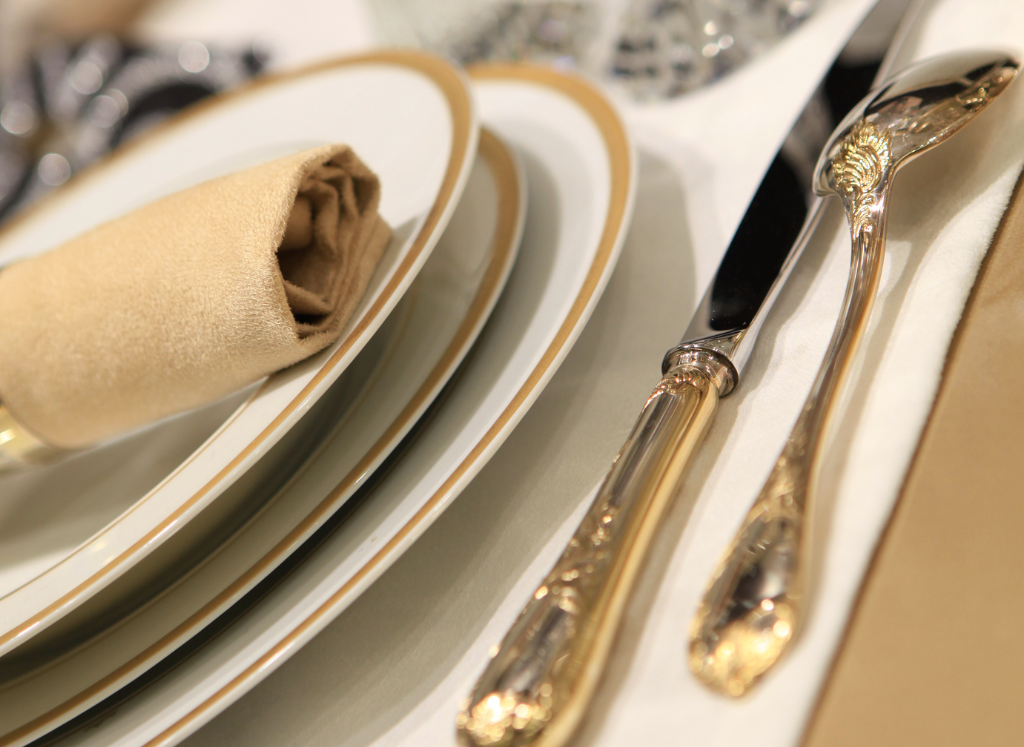
The foundation of the formal setting is the charger plate, also known as a service plate. This large decorative plate remains in place throughout the early courses, providing an elegant base for successive plates. The charger is removed before the main course arrives.
Positioning the Flatware
To the left of the plate, you'll find the forks arranged in order of use from outside to inside:
- Oyster or seafood fork (if applicable, placed on the far left or on the right with the spoons)
- Fish fork
- Dinner fork (closest to the plate)
- Salad fork (placement varies based on when salad is served)
To the right of the plate, knives and spoons are arranged:
- Soup spoon (far right)
- Fish knife
- Dinner knife (blade facing the plate)
Glassware Arrangement
Glasses are positioned above the knives, arranged from largest to smallest, left to right:
- Water goblet (directly above the dinner knife)
- Red wine glass
- White wine glass
- Champagne flute (if applicable)
The Bread Plate and Butter Knife
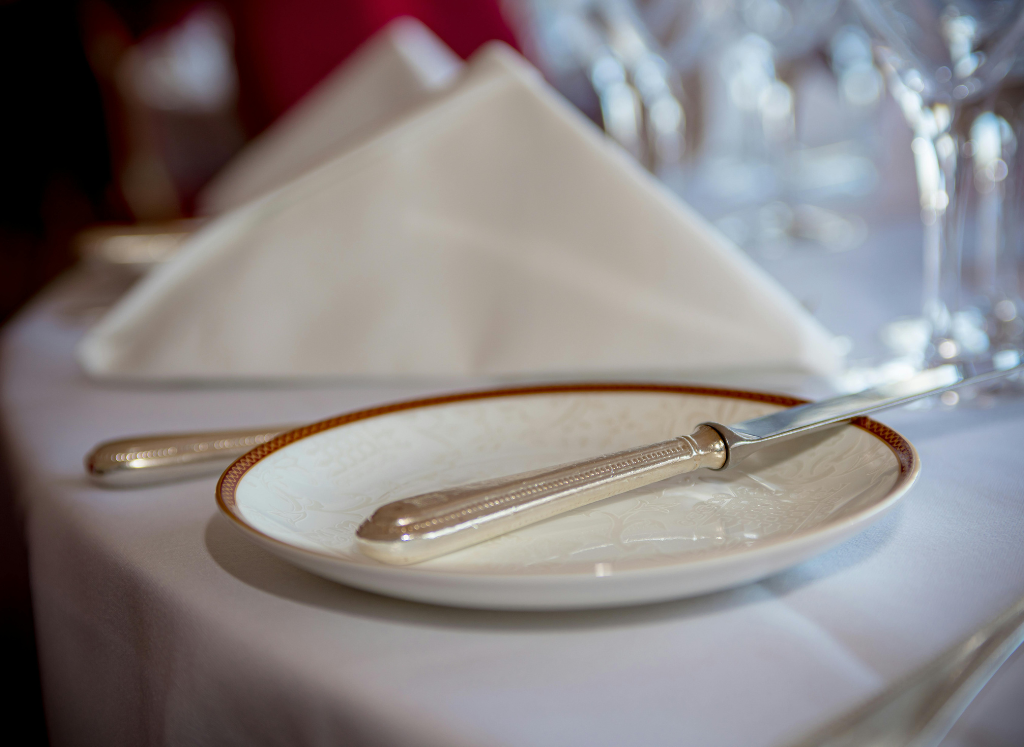
The bread plate sits above and to the left of the forks. A small butter knife rests horizontally across the plate, with the blade facing the diner. Remember: your bread plate is always to your left, your glasses to your right.
The Napkin
In a formal setting, the napkin may be folded decoratively and placed on the charger plate, or positioned to the left of the forks. Once seated, unfold your napkin and place it on your lap, folded in half with the fold toward your waist.
Above the Plate
Dessert utensils are traditionally placed horizontally above the plate: the dessert spoon faces left, and the dessert fork faces right. At some occasions, these may be brought to the table with the dessert course instead.
"The formal place setting is not about intimidation—it's about creating an environment where every guest can dine with confidence and pleasure."
Key Principles to Remember
- Work from the outside in when selecting utensils
- Knife blades always face the plate
- Liquids to your right, solids to your left
- When in doubt, observe your host or pause briefly to see what others do